
3rd MCAP Annual Convening
Los Angeles, California, April 14-17, 2026


On behalf of Governor Gavin Newsom and the State of California, in partnership with the Mediterranean Climate Action Partnership (MCAP) Secretariat, I am excited to invite you to the third annual MCAP Summit in Los Angeles, California, USA from April 14 to April 17, 2026.
Our global convening is an important moment, bringing together leaders from 16 governments across 5 continents who share similar Mediterranean climates, and therefore are threatened by the same climate-driven extreme events: wildfires, droughts, extreme heat and more. Since we launched this groundbreaking Partnership in 2023, climate change has intensified and extreme events have become more dangerous. As regional governments on the frontlines of these impacts, we know we cannot wait for national governments to protect our residents. We have taken our future into our own hands and worked together to build resilience across our regions.
Our annual global summit is essential for the work we do together. It allows our leaders to come together in person to showcase progress, advance pathways for collective climate action across Mediterranean regions, and increase the Partnership’s momentum in the face of intensifying climate impacts.
California is excited to showcase our achievements and approach through engaging discussions and compelling tours, bringing solutions to life and turning urgency into action. We are thrilled to welcome you to California for this important convening that will strengthen our leadership and partnership in building climate resilience.
Sincerely,

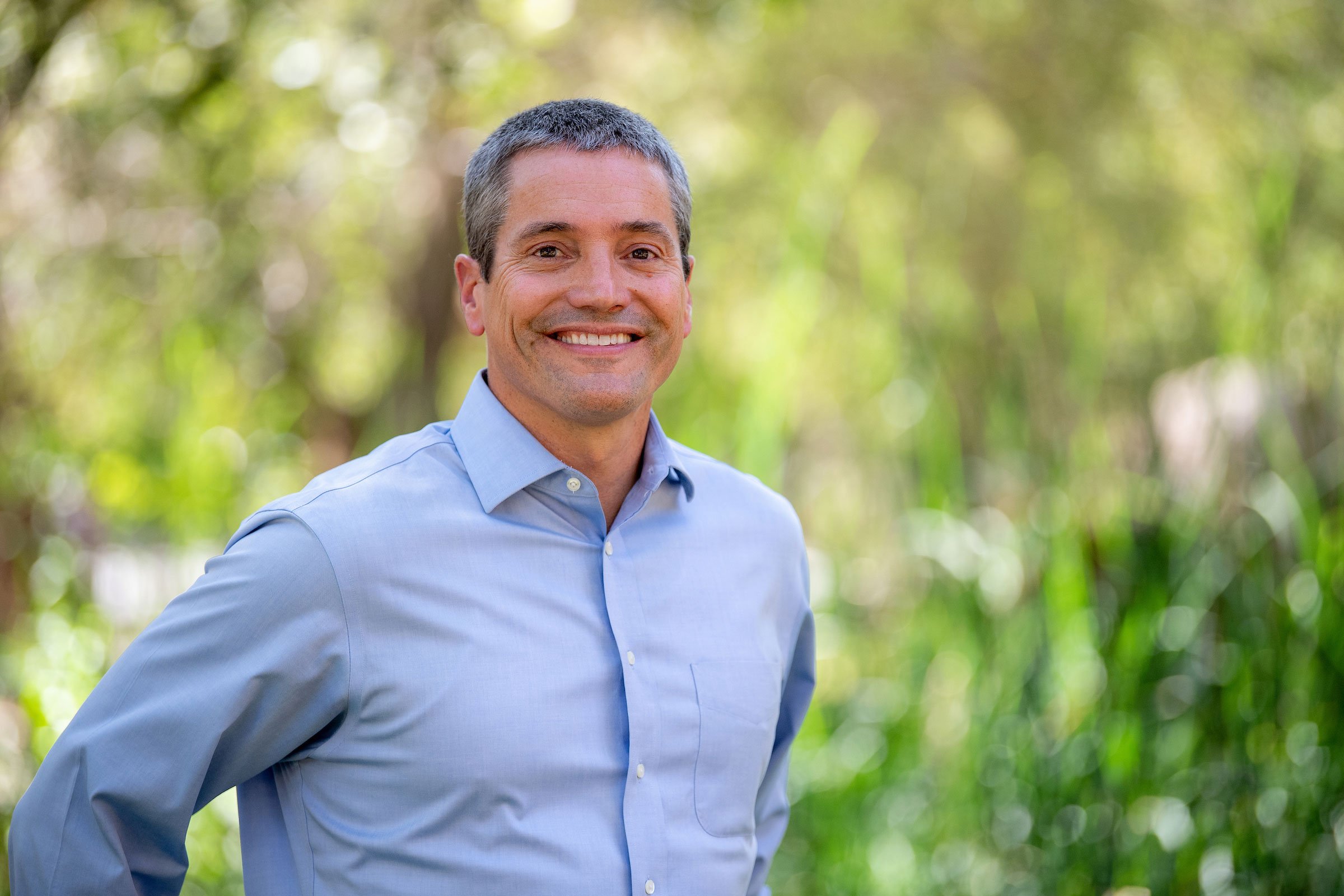
Secretary, California Natural Resources Agency
Co-Chair of the Mediterranean Climate Action Partnership
Travel Logistics, Weather and Attire
-
Ground Transportation: From Los Angeles International Airport is approximately 25-35 minutes from the Convening Venue (SLS Beverly Hills), depending on traffic. The Secretariat will provide transport to and form the airport and will coordinate with all member regions. More specific information is forthcoming. If you have any questions, please reach out to Laura Barron, lbarron@rcc.city.
Flights: The Secretariat will provide lodging for four nights for MCAP Member Regions, along with ground transport to/from the airport in LA. For those MCAP member regions who need financial assistance for flights, the Secretariat will offer up to $3,000 USD per region reimbursement.
-
In mid April, experiences pleasant spring weather, with daytime temperatures averaging around 22°C (72°F) and nighttime lows near 12°C (54°F). The region typically receives minimal rainfall—about 10–15 mm (0.4–0.6 inches) over just a few days during the month—resulting in relatively low humidity levels around 60–65%.
Given these conditions, it’s advisable to dress in light layers to stay comfortable throughout the day. T-shirts, light sweaters, and jeans or casual pants work well for daytime activities, while a light jacket or hoodie may be useful in the cooler evenings. Sunglasses and sunscreen are also recommended, as sunny skies are common and UV levels can be fairly high.
-
Attire Recommendations
April 14: Business Casual (we will be out from mid-day to later evening, so please bring appropriate layers for evening time)
April 15: Business Casual, with comfortable walking shoes (alternative shoes can be kept on the bus, if desired)
April 16: Business Casual (we will be out from mid-day to later evening, so please bring appropriate layers for evening time)
April 17: Business Casual
About Los Angeles
California has a highly varied geography, ranging from rugged coastlines and fertile valleys to towering mountain ranges like the Sierra Nevada and expansive deserts in the south. Its climate is equally diverse, with mild, wet coastal weather, hot and dry inland regions, and alpine conditions in higher elevations. It’s largest city, Los Angeles, is a sprawling, diverse city known for its global influence in entertainment, fashion, and food, offering visitors a mix of iconic attractions and distinct neighborhood cultures. To learn more about the Los Angeles and California’s climate challenges, review their MCAP Profile.
-
Los Angeles is situated along the southern coast of California, bordered by the Pacific Ocean to the west and framed by mountain ranges, including the Santa Monica and San Gabriel Mountains, which shape both its landscape and climate. The city’s geography is notably expansive and decentralized, with a mix of coastal plains, rolling hills, and inland valleys that can experience slightly different weather patterns. Los Angeles has a Mediterranean climate characterized by warm, dry summers and mild, wetter winters. Coastal areas tend to stay cooler due to ocean breezes and occasional marine layer cloud cover, while inland neighborhoods are often warmer and sunnier. Rainfall is relatively low overall and concentrated in the winter months, making most of the year dry and ideal for outdoor activities.
-
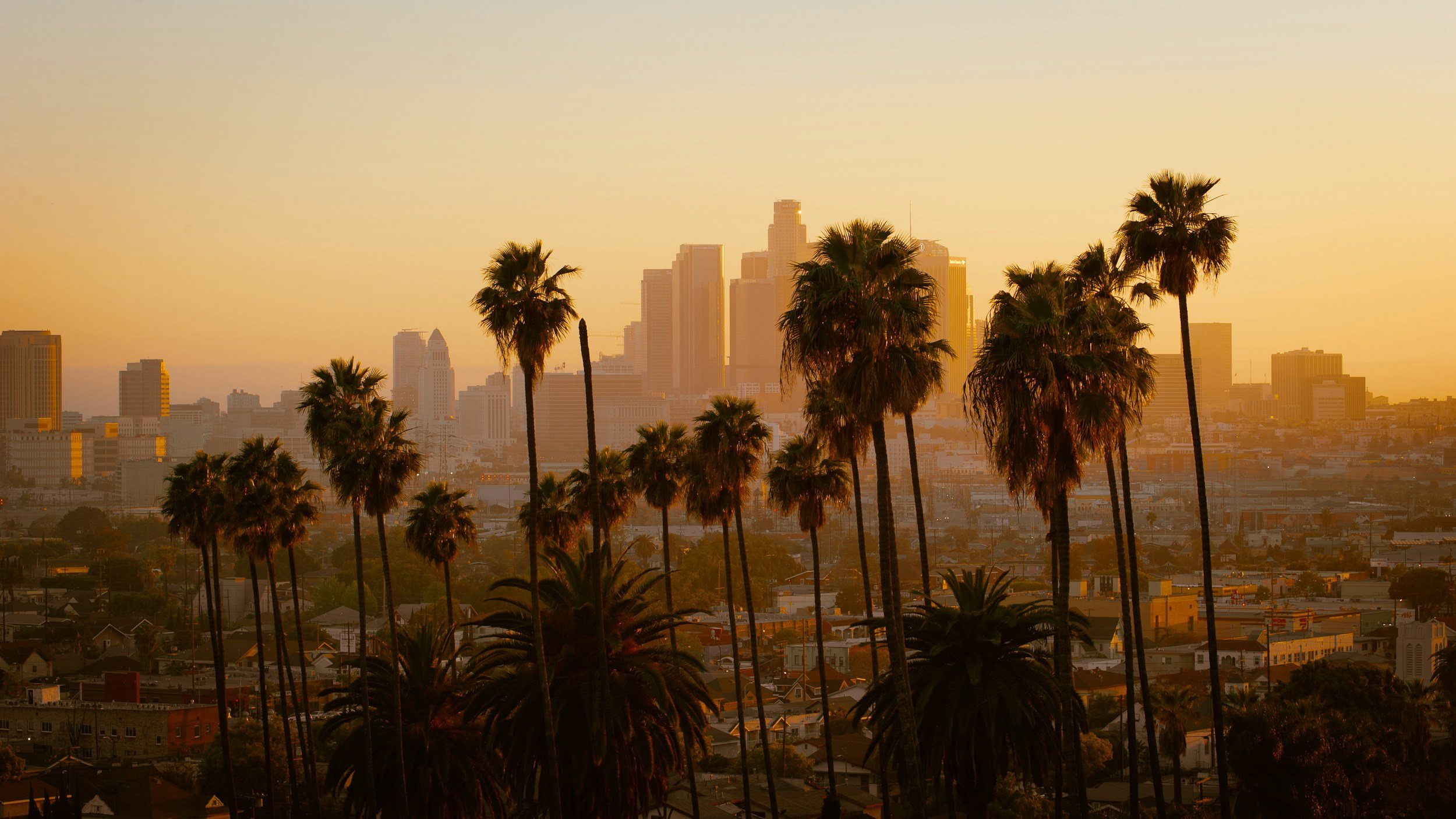
Hollywood and West Hollywood are known for film history and nightlife, Santa Monica and Venice provide a laid-back coastal atmosphere, Downtown (DTLA) blends historic architecture with a growing arts and dining scene, and Beverly Hills showcases luxury shopping and palm-lined streets. The city’s multicultural population is reflected in areas like Koreatown, Little Tokyo, and East LA, each offering unique cuisine and experiences.
-
While Los Angeles is generally safe for visitors, it’s important to stay aware of your surroundings, especially at night or in less busy areas, and plan transportation carefully since distances between neighborhoods can be large and public transit is limited compared to other major cities.
We advise travelers to exercise the same level of vigilance they would exercise when visiting any major city in the world. This includes ensuring you follow basic safety tips such as keeping emergency numbers on hand, avoiding carrying large sums of cash and keeping your valuables safe at all times.
The same precautions travelers would take to secure their safety in any major city in the world, apply when visiting Los Angeles.
-
If you are extending your time in California, we recommend visiting these other sites we weren’t able to include in the living labs program.
Coming Soon!

The California Natural Resources Agency (CNRA) represents the State of California in the Mediterranean Climate Action Partnership. As a state agency that manages and protects California’s natural resources, including forests, water, wildlife, parks, and public lands, CNRA oversees departments like the State Parks system, Department of Water Resources, and the Department of Forestry and Fire Protection (CAL FIRE). Led by Secretary Wade Crowfoot, who also serves as the Co-Chair for MCAP, CNRA strives to address climate change, expand outdoor access, and safeguard biodiversity across California.