

Member Regions
Subnational governments representing Mediterranean regions across Africa, Australia, Europe, North, and South America.
The Mediterranean Climate Action Partnership (MCAP) is an alliance of regions with a mediterranean climate across the globe that drives collaboration to advance climate adaptation and resilience. Mediterranean climates already experience the impacts of climate change and face greater risks.
These regions are warming more quickly, facing more severe drought and water scarcity, wildfires, and extreme heat events. This bioregional approach to climate action elevates the role of subnational governments, draws attention to the fact that climate impacts do not follow political boundaries, and elevates the voices of those on the front lines of climate change.
-
Climate impacts are most tangible and acute at the local level, whether it’s flooding, heat waves, drought and water scarcity, or wildfire.
While national governments play a leading role in the establishment of many broad climate and hazard policies, regulations, targets, and funding, subnational or regional and local governments ultimately must take on the actual work of implementation. Able to be more responsive and focused, subnational governments can act as testing grounds for climate solutions.
Subnational governments include states or provinces and may have a variety of different executive powers based on their national or local counterparts. Regional governments often serve as additional capacity to smaller and unincorporated municipalities, or as proxy local governments in rural, low population areas.
Because these governments have administrative boundaries that align more directly with the systems that support our societies, they have an important leadership role to play in resilience.
-
Bioregions are geographic areas defined by shared ecological systems, natural features, and native plant and animal communities. Their boundaries follow watersheds, landforms, and ecosystems, and they often extend across municipal, regional, and national borders. Climate impacts follow these same natural systems. A drought affects an entire watershed, a wildfire moves across a landscape, and rising seas reshape a full stretch of coastline, regardless of which jurisdictions they cross. For this reason, adaptation measures can be more effective when they are planned and coordinated at the scale of the ecosystems they aim to protect.
-
Mediterranean bioregions are geographically separated zones with shared climate characteristics including mild, wet winters and hot, dry summers. This pattern drives a predictable cycle of winter plant growth followed by summer drying, contributing to frequent drought, heat, and wildfire conditions. Regions with Mediterranean climates cover over four million sq. km on five continents, and while they only represent 2% of total global total land area, they hold 16% of the world’s plant species, including five of the world’s 36 biodiversity hotspots. Mediterranean regions are also home to more than 600 million people and, with highly developed tourism and agriculture industries, play a critical role in the global economy. They are considered on the frontlines of climate change, facing shared challenges of increasing drought, wildfire, and extreme heat hazards, alongside significant biodiversity loss and harms to cultural heritage. Mediterranean bioregions exist beyond the Mediterranean Basin, including in California and northern Baja California, central Chile, South Africa’s cape, and south/southwest Australia.
-
Climate risks do not respect jurisdictional lines. Whether it’s coastlines, rivers, forests, or wildlife–ecosystems move across city limits, state lines, and international borders with equal indifference.
Climate risks and ecosystem geographies don’t follow political boundaries, so adaptation and resilience building must also move beyond these limited jurisdictions. For this reason, adaptation measures can be more effective when they are planned and coordinated at the scale of the ecosystems they aim to protect.
Subnational governments already manage multiple unique, interdependent geographies and jurisdictions, and are already naturally well positioned to lead resilience building, and a bioregional approach can provide a shared framework to coordinate and deliver climate adaptation.
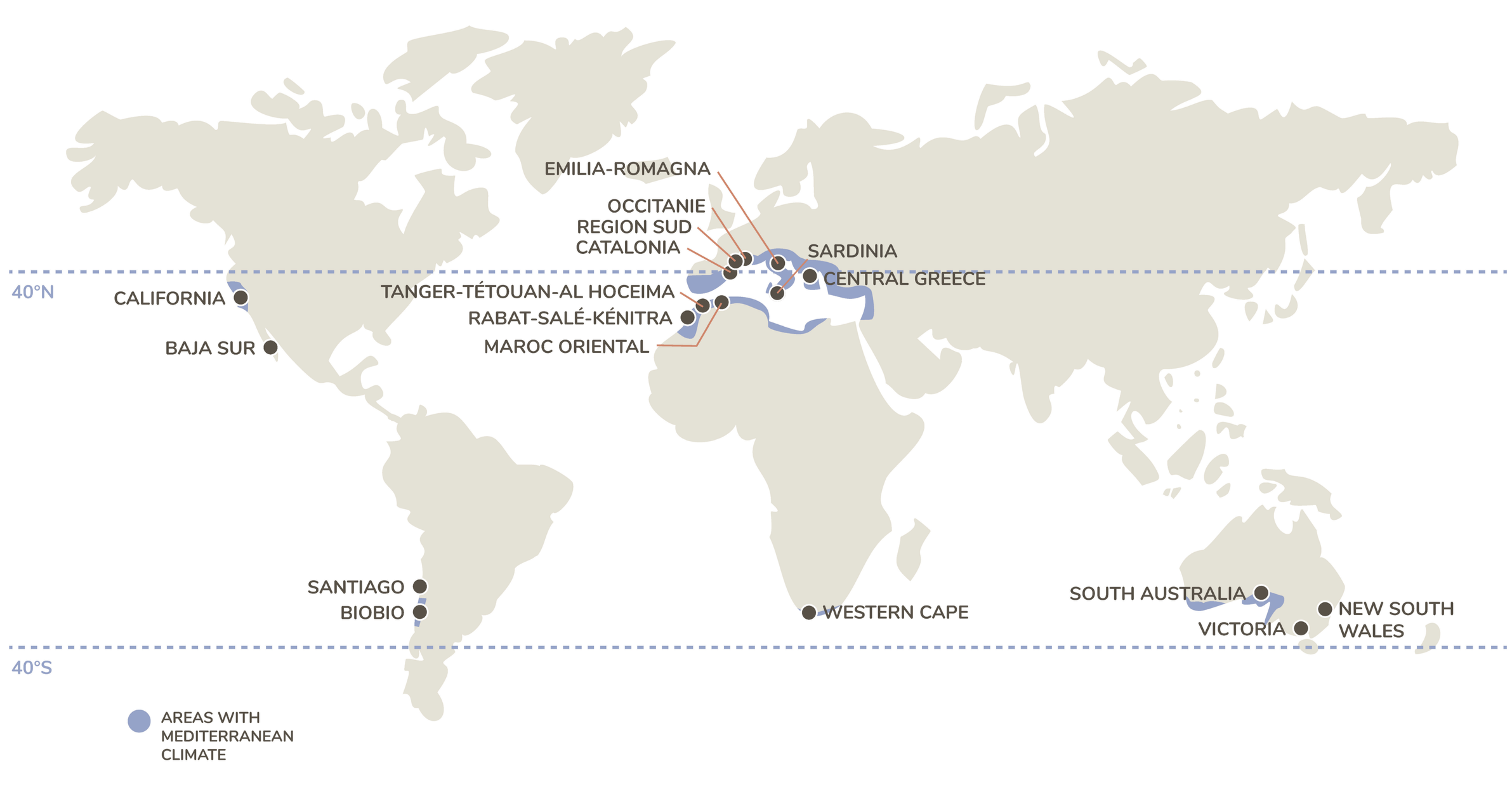
MCAP is a member-driven partnership oriented around a governance structure and programmatic priorities defined by the member regions, and implemented in partnership with the Secretariat and Co-Chairs through active participation in the Leadership Council.
Membership is accessible to subnational governments with mediterranean climates, working to protect their communities, economies, and ecosystems from the impacts of drought, wildfire, and extreme heat.
If you are interested in joining MCAP, contact secretariat@medclimate.org.
About the MCAP Member Regions

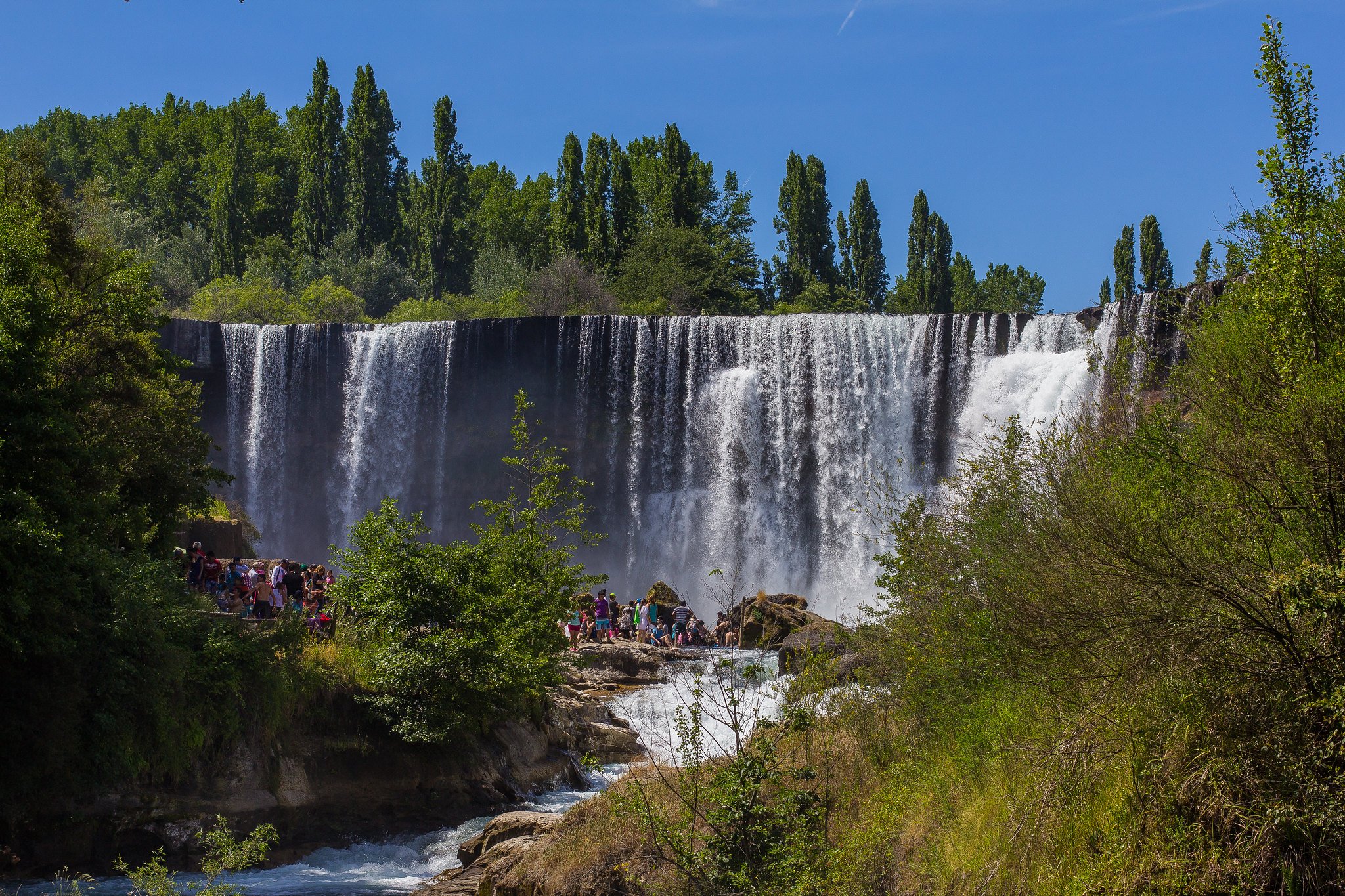


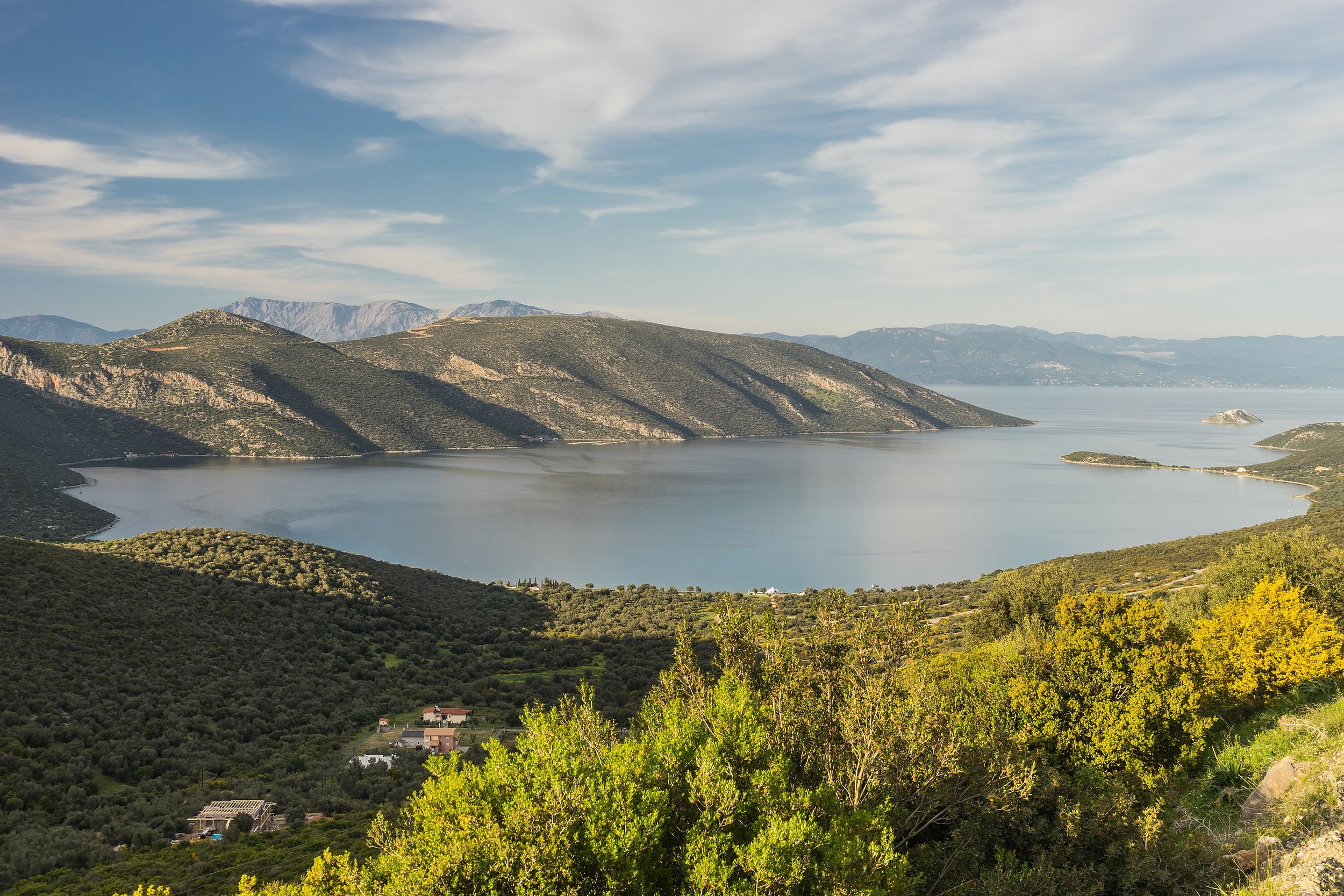


Oriental Maroc


Sardinia (coming soon!)


Video Gallery: Member Reflections
Wade Crowfoot. Secretary, California Natural Resources Agency, California
Patricia Pastén. Extreme Heat Manager, Environment, Biodiversity and Climate Action Division, Santiago
Carte Hart. Executive Director, Environment, Heritage and Sustainability, South Australia
Blas Araneda. Head of Regional Planning and Development Division, Regional Government of Biobío, Chile
David Mascort. Minister, Ministry of Climate Action - Food and Rural Agenda, Catalonia
Ilse Trautmann. Deputy Director, General Agricultural Research and Regulatory Services - Western Cape Department of Agriculture, Western Cape, South Africa
Patrizia Bianconi. Dottoressa, Cabinet of the Presidency, Emilia-Romagna, Italy